By Geno Eric
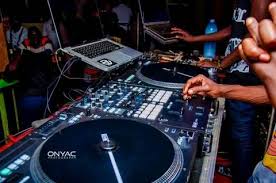
For years, Uganda’s DJ culture has quietly been one of the strongest pillars of its nightlife. Long before TikTok trends and viral moments, DJs were tastemakers. From the days of Silk Events and Club Guvnor to the mixtape era that dominated taxis and downtown shops, DJs shaped what people listened to, often without the audience even knowing their faces. It was purely about the craft.
This isn’t just about transitions or one DJ’s set. It’s about an ecosystem.
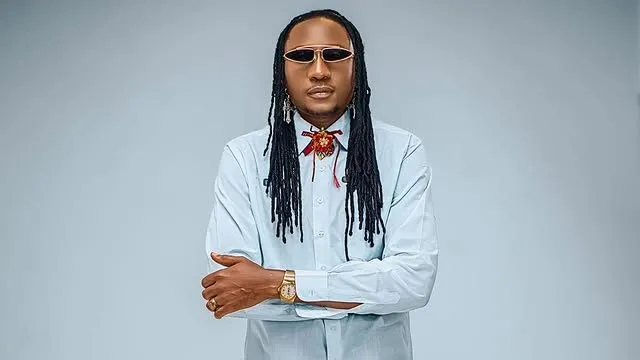
That’s why a recent post on X by renowned DJ Aludah has stirred conversation across the entertainment industry. His comments come at a time when there’s already tension brewing, especially from Kenyan audiences following DJ Spinny’s set at The BAG, a popular East African event series. The 13th edition, hosted at 1420 in Bugolobi, sparked mixed reactions.
Some critics, particularly from Kenya, argued that the transitions were off. Others defended the set, saying it was solid and that the issue might have been poor editing in the uploaded YouTube clips. Either way, the debate opened up a bigger question that DJ Aludah pointed to: are Ugandan DJs losing their touch, or are we simply pushing the wrong ones to the front?
Before social media, DJs didn’t need clout to be respected. You could go an entire night dancing to someone whose face you’d never recognize, but you trusted their ear.
Today, visibility often outweighs skill. If you ask people to name the top female DJs right now, the answers will likely reflect who is trending, not necessarily who has mastered the craft over time. Names like DJ Rachael, DJ Sal, Mary Jo, and Lolah may not dominate timelines, but their consistency and technical ability are hard to question. They didn’t fall off. The industry simply shifted its spotlight.
And maybe we, as a culture, have played a role in that shift. Not long ago, the song “Mukube Paver” was everywhere on social media, dominating playlists and trends until it was banned by UCC. It raises an uncomfortable truth. If our most consumed content struggles to meet broader standards, can we really expect international validation? The same applies to DJ culture.
Having worked with entertainers, I’ve seen how decisions are made behind closed doors. In most boardrooms, numbers win. Brands care about reach, engagement, and visibility because, at the end of the day, ROI matters. The quality of the craft often becomes secondary.
This pressure has pushed many entertainers, including DJs, to prioritize relevance over refinement. Controversy, viral moments, and social media presence become survival tools. That’s how you end up with influencers promoting products they barely understand, simply because they have the numbers.
Promoters and bar owners also carry some responsibility. The best DJs are not always the most visible or the biggest crowd-pullers. So instead of booking for quality, many venues book for numbers. The rise of the “DJ–influencer–promoter” hybrid is no accident. They are affordable, they come with an audience, and for many venues, that’s enough. Music selection and technical excellence take a back seat. Over time, audiences adjust, and mediocrity slowly becomes the standard.
But the audience itself might carry the biggest share of the blame.
Today’s crowd is heavily influenced by TikTok and viral trends. A DJ walks into a set where people already have a mental playlist of 10 to 15 trending songs they expect to hear, regardless of flow, BPM, or mixing logic. When a DJ tries to maintain structure and declines random requests, they risk backlash online. Some even get replaced because of that pressure.
So DJs adapt. Not necessarily to what’s right for the craft, but to what keeps them booked.
At the end of the day, this isn’t just about transitions or one DJ’s set. It’s about an ecosystem. From audiences to promoters to brands, everyone is shaping what the DJ industry is becoming. The real question is whether we are comfortable with where it’s headed, or if we’re ready to demand better again.