A new study by researchers from Makerere University has identified a combination of classroom, resource, and community-related challenges as key drivers behind students’ poor performance in Biology at national examinations.
The findings were presented on Monday, April 29, 2026, by a research team from the Makerere University College of Natural Sciences and the Makerere University College of Education and External Studies to senior officials at the Ministry of Education and Sports.
The presentation was received by the Ministry’s top management team led by Permanent Secretary Kedrace Turyagenda. The study was commissioned in 2023 to investigate the root causes of declining performance in Biology at both O-Level and A-Level.
The research was led by Fredrick Muyodi, with Associate Professor Josephine Esaete as Co-Principal Investigator and Professor Arthur Tugume as part of the team.
Key findings
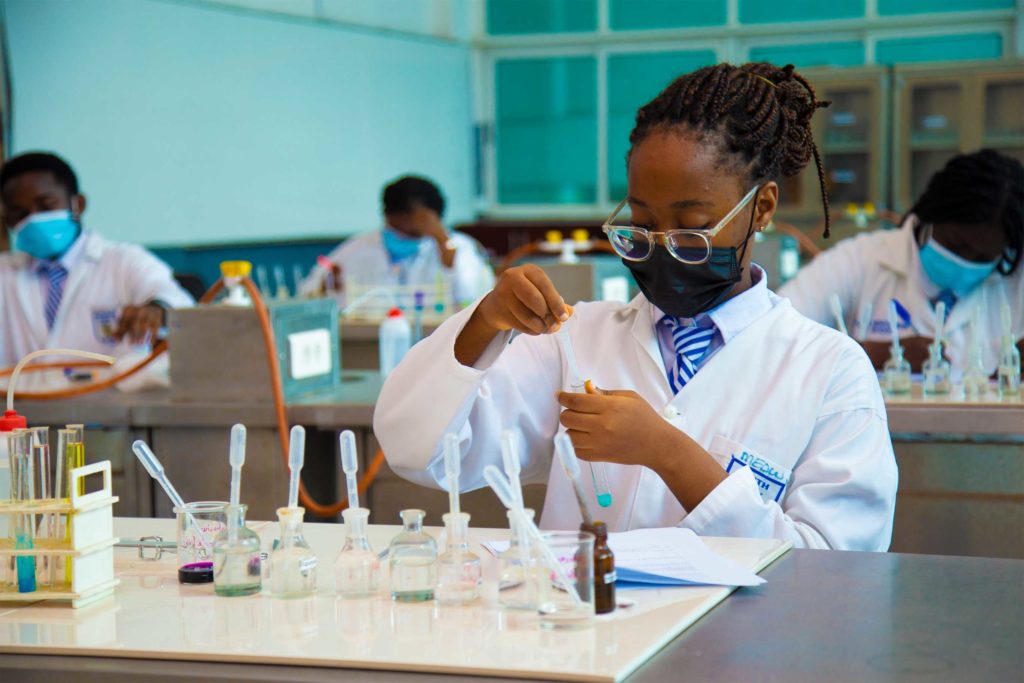
According to the report, one of the most consistent challenges across all regions is the limited use of field-based learning, combined with poor access to digital learning resources. Researchers noted that these gaps affect both O-Level and A-Level students and significantly reduce conceptual understanding of Biology.
At A-Level, the absence of student-led research projects was identified as another major constraint, further limiting learners’ ability to apply theoretical knowledge in practical contexts.
The study also found that many students have minimal engagement with Biology beyond classroom instruction, which weakens their ability to understand concepts deeply and apply them in examinations.
In addition, the researchers highlighted community attitudes and perceptions toward Biology as an influencing factor, noting that negative or indifferent views toward the subject can affect student motivation and performance.
Recommendations
The report recommends strengthening practical and field-based learning, improving access to digital education tools, and integrating structured student research projects into the Biology curriculum. It also calls for broader community sensitization to improve attitudes toward science subjects.
The Ministry of Education and Sports is expected to review the findings as part of ongoing reforms aimed at improving performance in science subjects at secondary school level.