
Uganda has taken a significant step toward industrial self-sufficiency following the commissioning of a major cement clinker production line in Karamoja, a move expected to reshape the country’s construction supply chain and reduce pressure on foreign exchange reserves.
President Yoweri Kaguta Museveni on Sunday presided over the launch of Phase One of a 6,000-tonne clinker production facility by Yaobai Cement in Nanduget, Moroto District. The project, backed by Chinese investors under West China Cement, is part of a broader strategy to localize key industrial inputs and accelerate regional development.
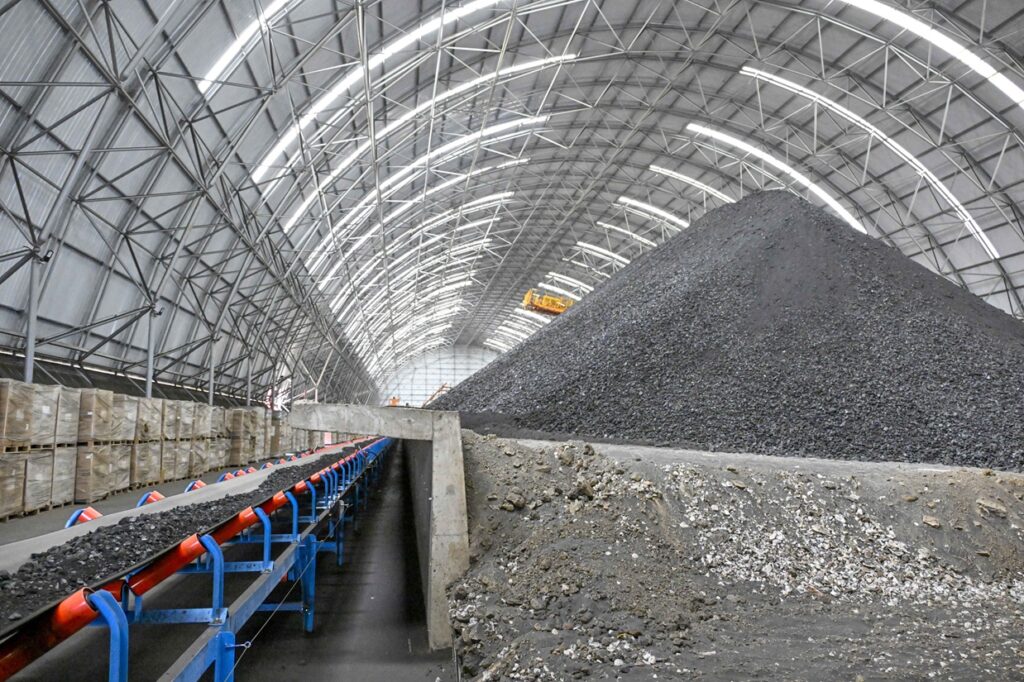
The plant—constructed at an estimated cost of over $300 million—will produce up to 2 million tonnes of clinker annually, alongside 3 million tonnes of cement at full capacity. Industry analysts say the development could significantly disrupt Uganda’s reliance on imported clinker, which has long accounted for a substantial share of production costs in the cement sector.
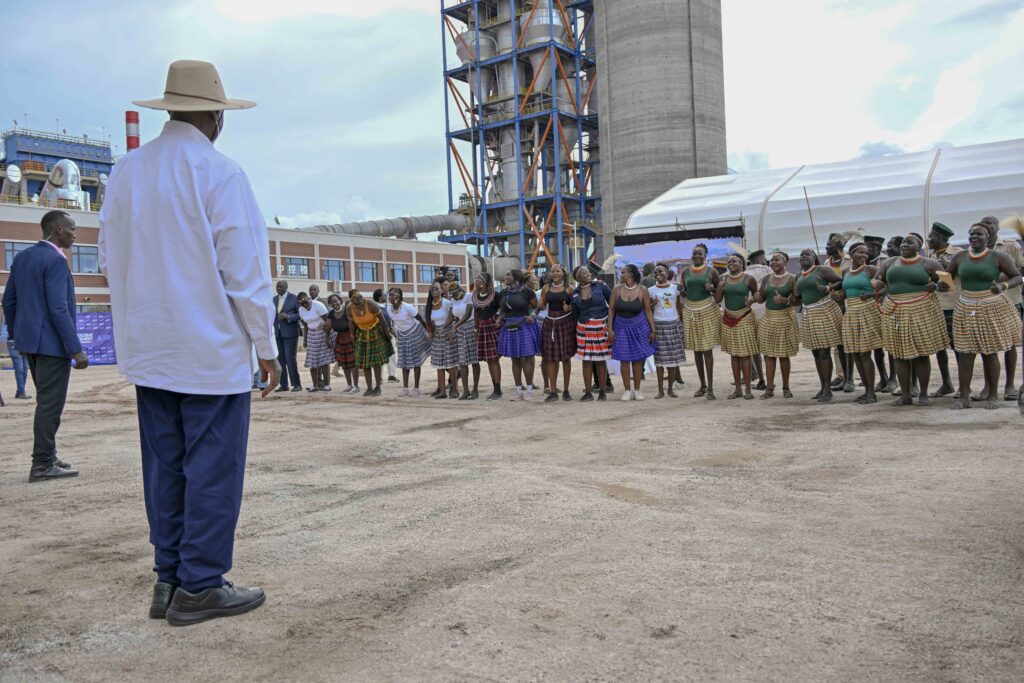
“Clinker constitutes about 85% of cement production, and we have been importing it,” Museveni said during the commissioning. “This investment saves us from that dependency.”
Strategic Shift in Industrial Policy
Uganda has historically depended on clinker imports, exposing the construction industry to global price fluctuations and foreign exchange volatility. The Moroto facility is projected to save the country approximately $200 million annually in import costs while generating about $300 million in output value.
The project was facilitated in part by Hailemariam Desalegn Boshe, now serving as Africa Regional Ambassador for West China Cement. He emphasized the broader implications of China–Africa industrial partnerships, noting their role in driving structural transformation.
“This is about mutual benefit—leveraging investment to unlock real economic growth,” he said.
Karamoja’s Industrial Rebirth
Once synonymous with insecurity and underdevelopment, Karamoja is increasingly emerging as a frontier for industrial investment. Government officials credit improved security and infrastructure development for attracting large-scale projects to the region.
Vice President Jessica Alupo highlighted Uganda’s stable investment climate as a key driver, while Energy Minister Ruth Nankabirwa pointed to the region’s transformation into a growing industrial hub.
Local leaders say the impact is already visible. Moroto District Chairman Anjello Pulkol noted increased employment and improved livelihoods tied to the project, with over 3,500 jobs expected upon full operation.
Regional Trade and Supply Chain Impact
Beyond domestic supply, the plant is strategically positioned to serve regional markets including South Sudan, western Kenya, and the Democratic Republic of Congo. This could strengthen East Africa’s construction supply chain while advancing regional integration goals.
West China Cement Chairman Zang Jiewen described the project as a milestone in Uganda’s industrialization journey, adding that the company is committed to sustainable, low-emission production technologies.
China–Uganda Economic Ties Deepen
The commissioning also underscores deepening economic ties between Uganda and China. Chinese investments have played a central role in infrastructure and manufacturing projects across the country, supported by policy frameworks encouraging outbound investment.
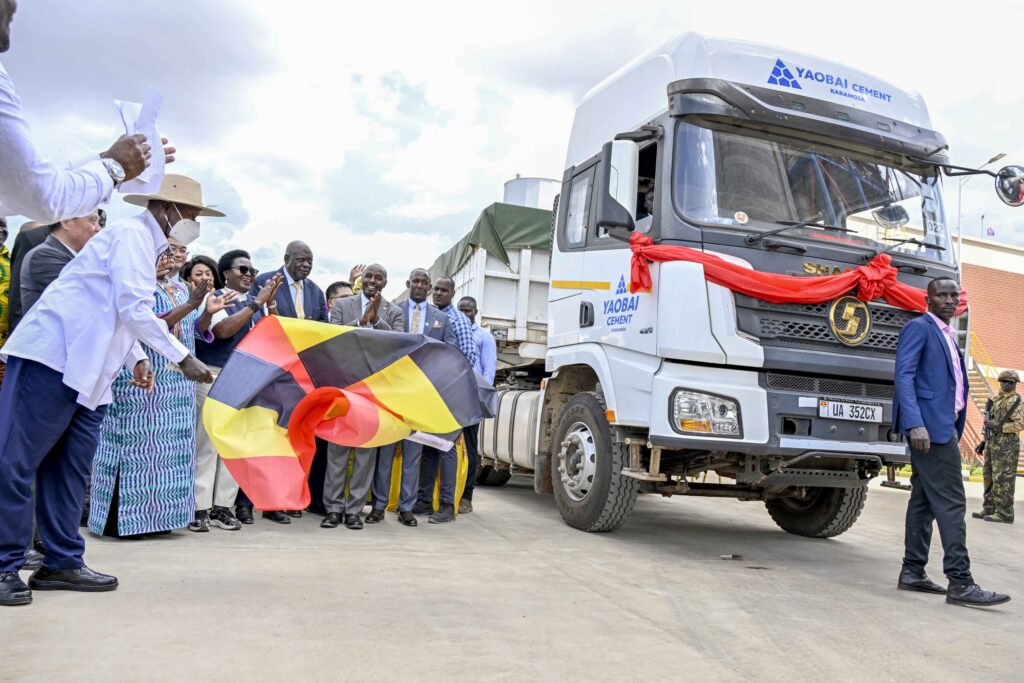
China’s Chargé d’Affaires in Uganda, Fan Xuecheng, praised Kampala’s leadership for fostering a conducive investment environment, noting that such partnerships are delivering tangible economic outcomes.
Outlook
As Uganda pushes toward import substitution and value addition, the Moroto clinker plant signals a shift from raw resource dependency to industrial processing. If successfully scaled, it could lower construction costs, stabilize supply, and position Uganda as a net exporter of cement products in the region.
For Karamoja, the development represents more than just a factory—it marks a turning point in its integration into the national and regional economy.